
Kosovo UNESCO Sites Day Tour from Pristina
Kosovo is one of the most rewarding destinations in the Balkans for travelers who want history, authenticity and impressive scenery without the crowds found in Europe’s best-known capitals. In a relatively compact country, you can move from lively Pristina cafés to Orthodox medieval monasteries, Ottoman-era bazaars, dramatic mountain valleys and welcoming family-run restaurants within the same day. For first-time visitors, this combination makes Kosovo an ideal starting point for a wider Balkan journey through Albania, North Macedonia and Montenegro.
From my experience traveling across the region, the most meaningful Kosovo itinerary is not built around ticking off viewpoints. It is built around understanding the layers of culture that shaped the country. Roman, Byzantine, Serbian, Ottoman and modern influences all appear in Kosovo’s architecture, food, music and daily life. The best way to see those layers is to spend time with knowledgeable local guides and to travel beyond Pristina.
That is why I particularly recommend the Kosovo UNESCO sites day tour from Pristina. This daily tour focuses on Western Kosovo and links three exceptional experiences: the Patriarchate of Peja, the Monastery of Dečani and the historic Carshia, or bazaar, of Gjakova. It is an efficient and culturally rich day trip for travelers staying in Pristina, and it also works beautifully as part of a longer Kosovo and Albania itinerary.
Why Kosovo Should Be Your Next Balkan Trip
Kosovo offers something increasingly rare in European travel: the feeling that you are still discovering a place. The country has excellent road connections between its main destinations, short travel distances and a strong café culture that makes even a simple city break feel sociable. English is widely spoken among younger people and tourism professionals, while locals are often genuinely pleased to welcome international visitors.
Pristina itself is energetic and contemporary. You will find specialty coffee shops, creative restaurants, galleries, bookstores and lively public squares. Yet the city is also a practical base for day trips. Within a few hours, the urban atmosphere gives way to the Rugova Mountains, historic Prizren, Western Kosovo’s religious heritage and the traditional streets of Gjakova.
In 2026, Kosovo remains an excellent-value destination compared with much of Western Europe. A good café coffee is often around €1.50 to €3, a generous casual lunch may cost approximately €6 to €12, and a quality dinner in a central restaurant commonly falls in the €15 to €30 range per person, depending on drinks and the menu. Prices vary, but travelers generally receive excellent value for accommodation, food and guided experiences.
The country is compact but culturally diverse
One of Kosovo’s greatest advantages is its scale. You do not need two weeks to experience the major highlights, although a longer stay allows time for mountains, villages and slow meals. A three- to five-day visit can include Pristina, Prizren, Peja, Gjakova and one or two natural attractions. A week gives you room to travel more slowly and continue into Albania or North Macedonia.
The cultural diversity is equally important. Kosovo is home to Albanian-speaking communities, Serbian Orthodox heritage sites, Turkish and Bosniak influences, Roma traditions and a modern European generation that is shaping a new identity. Visitors should approach religious and historical sites with respect, curiosity and a willingness to listen to more than one perspective.
What Makes the Kosovo UNESCO Sites Day Tour Special?
The Western Kosovo heritage route is one of the strongest cultural day trips in the country because each stop feels different. You begin with a peaceful spiritual complex in Peja, continue to one of the most important medieval monasteries in the region, and finish among the craft shops and stone architecture of Gjakova’s old bazaar.
The tour is designed as a full-day experience from Pristina. Depending on the exact departure time, traffic, border-area security procedures and time spent at each monument, travelers should generally allow approximately eight to ten hours. A typical organized tour includes transport and a guide, while entrance arrangements and meals may vary. I suggest checking the current inclusions when booking and budgeting approximately €10 to €20 for lunch, coffee and small entrance or donation costs.
1. The Patriarchate of Peja
The Patriarchate of Peja, also known as the Peć Patriarchate, is located at the entrance to the Rugova Valley near the city of Peja. It forms part of the UNESCO-listed Medieval Monuments in Kosovo and is famous for its group of churches, red-toned exterior details and remarkable frescoes. The setting is especially memorable: the complex sits against wooded mountain slopes, creating a quiet transition between the urban edge and the dramatic landscapes of Western Kosovo.
Inside, the churches preserve layers of medieval religious art. Frescoes depict biblical scenes, saints and rulers in a style that helps visitors understand the political and spiritual importance of the region during the Middle Ages. I recommend allowing enough time to look closely rather than rushing through for photographs. The atmosphere is contemplative, and a guide can explain details that are easy to miss, including the relationship between the separate chapels and the historical role of the patriarchate.
Dress modestly when visiting Orthodox religious sites. Shoulders and knees should be covered, and visitors may be asked to follow instructions about photography. These are active places of worship and heritage, not simply museums.
2. The Monastery of Dečani
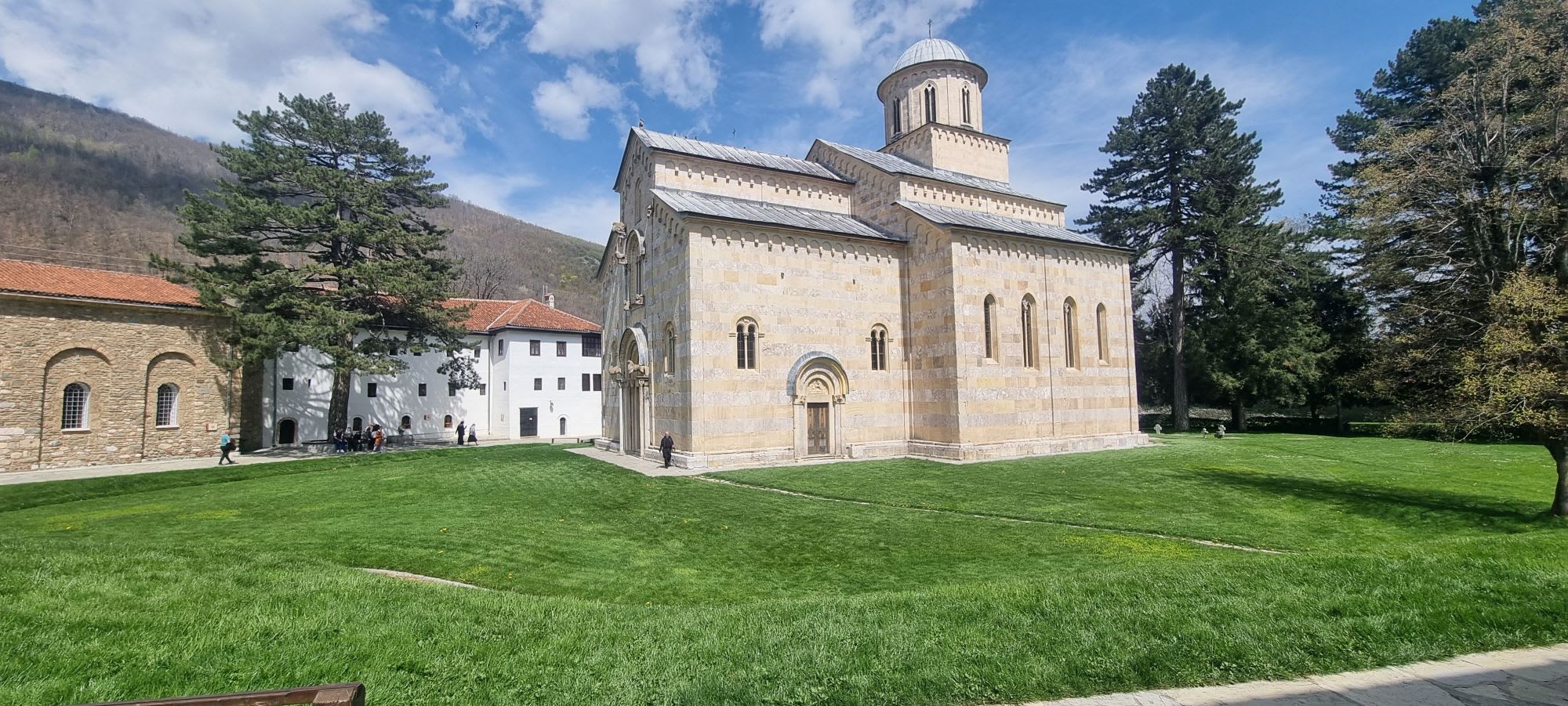
The Monastery of Dečani is one of the most significant medieval monuments in the Balkans. Founded in the fourteenth century, it is known for its monumental stone church and an exceptionally rich collection of frescoes. The church combines Romanesque, Gothic and Byzantine influences, reflecting the connections that existed across medieval Europe.
The interior is the true highlight. Thousands of painted figures and scenes cover the walls, creating one of the most impressive medieval fresco programs in the region. Even travelers who do not usually seek out religious art tend to be struck by the depth of color, the scale of the compositions and the survival of so much detail over centuries.
Security procedures can apply at the monastery, and access policies may change. Bring your passport or official identification, follow the guide’s instructions and avoid photographing areas where photography is prohibited. Modest clothing is essential. Because visitor access can occasionally be affected by local conditions or religious observances, booking with an established operator is more convenient than arriving without information.
The monastery is also a reminder that cultural heritage can exist within a complicated modern setting. A responsible guide does not reduce that complexity to a slogan. Instead, the visit becomes an opportunity to appreciate the art, architecture and historical importance of the site while remaining sensitive to its present-day significance.
3. Gjakova’s historic Carshia
After the spiritual stillness of the monasteries, Gjakova provides a completely different experience. The city’s historic Carshia, or Old Bazaar, is one of the longest traditional bazaars in Kosovo and has long been associated with trade, craftsmanship and social life. Its streets and low historic buildings invite a slower pace, with time to browse workshops, sample local food and observe everyday life.
Gjakova’s Grand Bazaar was heavily damaged during the twentieth century and the Kosovo War, but significant sections have been restored. Today, you can see traditional shops, cafés, craft businesses and historic mosques in the surrounding area. The atmosphere is most enjoyable when you are not trying to see everything at once. Take a walk, stop for Turkish-style coffee, look for handmade goods and ask your guide about the city’s artisan traditions.
Local food is another reason to include Gjakova in your itinerary. Depending on the season and restaurant, you may encounter grilled meats, stuffed vegetables, fresh salads, flaky pastries, beans, yogurt-based dishes and sweets influenced by Ottoman culinary traditions. Portions are often generous, so sharing several dishes is a practical way to taste more.
A Practical Day Tour Itinerary from Pristina
A realistic schedule usually begins in the morning with pickup in Pristina. The exact route and timing may change, but the day commonly follows this pattern:
- Morning departure: Leave Pristina in a comfortable vehicle and travel west toward Peja.
- Patriarchate of Peja: Explore the churches, frescoes and peaceful mountain-edge setting.
- Dečani Monastery: Visit the medieval church and learn about its architecture and artwork.
- Lunch break: Enjoy regional cuisine at a local restaurant or have free time for a casual meal.
- Gjakova Carshia: Walk through the historic bazaar, browse crafts and experience the city’s atmosphere.
- Return to Pristina: Arrive in the evening, usually after a full but rewarding day.
Travel times are affected by traffic and the time required at security checkpoints. I recommend wearing comfortable shoes, carrying water and keeping some cash in euros for cafés, souvenirs and small purchases. Wi-Fi and card payments are increasingly common, but cash remains useful in smaller shops.
When Is the Best Time to Visit Kosovo?
Each season offers a different reason to travel. Spring, from April to June, is one of my favorite periods. The valleys are green, temperatures are pleasant for walking and the mountains still have a dramatic freshness. Days are generally comfortable for a full cultural tour, although occasional rain is possible.
Summer, from July to August, brings long, bright days and the busiest tourism period. Temperatures in Pristina and the lower valleys can be hot, especially in the afternoon, but mountain areas are cooler. Start early, carry sunscreen and drink water regularly. Summer is ideal if you want to combine heritage visits with hiking or outdoor activities.
Autumn, from September to October, is excellent for photography and food-focused travel. The light is warm, crowds are often lighter and forests around Peja begin to change color. This is a particularly comfortable season for walking through Gjakova’s bazaar.
Winter, from November to March, can be cold and snowy, but it has its own appeal. Some heritage visits feel especially atmospheric in quiet weather, and mountain travelers can consider a dedicated ski escape to Brezovica in Kosovo. Snow and road conditions can affect itineraries, so allow flexibility and confirm opening arrangements before departure.
How to Extend Your Kosovo Trip
The UNESCO route is an outstanding day trip, but Kosovo rewards travelers who stay longer. Pristina deserves at least one full day for its cafés, museums, public art and modern architecture. A walking tour of Pristina is a useful introduction because a local guide can explain the city’s recent history, landmarks and changing neighborhoods.
Prizren is another essential stop. Its Ottoman-era streets, stone bridge, mosques, churches, cafés and hilltop fortress create one of the most photogenic urban landscapes in the country. Travelers with limited time can choose a day trip from Pristina to Prizren, while those continuing south can connect naturally with Albania or North Macedonia.
Peja is a good base for nature lovers. The Rugova Canyon leads toward hiking routes, climbing areas and mountain villages. For adventurous travelers, the West Kosovo adventure tour with zip lining, rock climbing and cave exploration adds an active dimension to a heritage-focused itinerary. You can also explore the city independently with a self-guided tour of Peja.
For a broader regional journey, consider combining Kosovo and Albania. The Kosovo and Albania Cultural Journey for five days is a practical option for travelers who want historic cities, traditional culture and major highlights without planning every transfer independently. The route can help you experience the contrast between Kosovo’s inland heritage and Albania’s coastal, Ottoman and southern landscapes.
Connecting Kosovo with Albania, North Macedonia and Montenegro
Kosovo is strategically placed for a wider Balkan trip. From Pristina, you can travel south toward North Macedonia, west toward Albania or north and west toward Montenegro, depending on your itinerary and border arrangements. Road journeys often take longer than a map suggests because of mountain terrain, traffic and border procedures, so avoid creating an overly ambitious schedule.
Albania is a natural continuation for culture and scenery. Prizren connects well conceptually with northern Albanian towns, while Gjakova and Peja offer an inland perspective on the shared traditions of the region. Travelers interested in historic architecture can continue toward Berat or Gjirokastra. The self-guided tour of Gjirokastra is a useful choice for exploring its stone houses, castle and old bazaar at your own pace.
North Macedonia is particularly accessible from Pristina, with Skopje and the historic city of Prizren forming a popular cross-border combination. If you are based in Skopje, the Skopje to Prizren day tour can introduce you to Kosovo without requiring a separate overnight stay.
Montenegro adds Adriatic scenery, dramatic mountains and the Bay of Kotor. It is usually better to allow at least several days rather than treating the country as a quick stop. Border times and winding roads can be unpredictable, especially in summer. A flexible transport plan is the most comfortable approach.
Food, Coffee and Local Etiquette
Food is central to the Kosovo experience. Start the day with bread, cheese, eggs or yogurt, then look for grilled meats, savory pastries, stuffed peppers, fresh salads and slow-cooked dishes at lunch. In Gjakova and Prizren, Ottoman-influenced sweets and coffee traditions are particularly visible. Vegetarian travelers can find beans, salads, vegetable stews, cheese dishes and pastries, but it is wise to explain dietary requirements clearly.
Coffee is not something to rush. In Kosovo, meeting friends over coffee is a daily ritual, and a café table can be one of the best places to observe local life. If you want a special meal during a wider Albania itinerary, Sofra e Shpatit is one option to consider through Balkan Destination’s travel network.
At religious monuments, dress conservatively and follow instructions about photography. Ask before photographing people, artisans or worshippers. In bazaars, browsing is welcome, but polite negotiation is more appropriate than aggressive bargaining. A few words of greeting, patience and genuine interest go a long way.
What to Pack for the UNESCO Day Tour
The right packing list is simple, but it can make a full day much more comfortable:
- Comfortable walking shoes with good grip.
- Modest clothing covering shoulders and knees for monastery visits.
- A light jacket, even in summer, because mountain weather can change.
- Refillable water bottle and sunscreen.
- Passport or official identification for access procedures.
- Small cash in euros for snacks, donations and crafts.
- Power bank for navigation and photography.
Do not plan to carry large luggage on a daily tour. A small day bag is easier, especially when walking on historic streets or entering religious compounds. If you are moving between cities, arrange luggage storage or a private transfer separately rather than expecting a day tour vehicle to carry extensive bags.
Is This Tour Right for You?
The Kosovo UNESCO sites day tour is ideal for first-time visitors, couples, families with older children, photographers and travelers interested in architecture or religious history. It is also a strong choice for anyone with only two or three nights in Pristina who wants to see beyond the capital.
It may be less suitable if you prefer a very slow itinerary with no fixed schedule, or if you want to spend the entire day hiking. In that case, consider adding a separate mountain excursion, such as the Liqenati area, rather than trying to combine intensive hiking with three heritage stops. The value of this particular tour lies in its cultural range and the convenience of connecting places that are spread across Western Kosovo.
Frequently Asked Questions
How long is the Kosovo UNESCO sites day tour from Pristina?
Plan for approximately eight to ten hours, including travel from Pristina, guided visits and a meal or refreshment break. Exact timing depends on the departure schedule, traffic, security procedures and time spent at each site.
Which UNESCO sites are visited?
The route focuses on the Patriarchate of Peja and the Monastery of Dečani, both associated with the UNESCO-listed Medieval Monuments in Kosovo. It also includes Gjakova’s historic Carshia, an important cultural and urban heritage site.
What does the tour usually cost?
Prices depend on group size, date, vehicle, guide services and inclusions. As a practical 2026 planning estimate, budget around €50 to €100 per person for a shared guided day tour, with private tours costing more. Confirm the current price and what is included before booking.
Can I take the tour in winter?
Yes, but winter weather can affect roads, opening arrangements and access procedures. Check the forecast, wear warm layers and choose a flexible booking policy. Spring through autumn generally offers the easiest conditions.
Can I combine this trip with Albania or North Macedonia?
Absolutely. Kosovo works well in a multi-country Balkan itinerary. Allow realistic travel time for mountain roads and border crossings, and consider a multi-day organized journey if you want transfers, accommodation and sightseeing coordinated together.
Make Kosovo the Cultural Highlight of Your Balkans Journey
Kosovo is more than a convenient stop between better-known destinations. It is a place where medieval frescoes, Ottoman bazaars, mountain landscapes, modern cafés and generous hospitality come together in a compact, memorable journey. The Western Kosovo heritage route is especially powerful because it connects living culture with outstanding monuments rather than presenting history as something frozen behind glass.
For an organized, informative and efficient introduction, book the Kosovo UNESCO sites day tour from Pristina and discover the Patriarchate of Peja, Dečani Monastery and Gjakova’s Carshia with local insight. Build a few additional days around Pristina and Prizren, then continue toward Albania, North Macedonia or Montenegro for a Balkan journey that feels varied, authentic and genuinely rewarding.
Frequently Asked Questions
How long is the Kosovo UNESCO sites day tour from Pristina?▼
Plan for approximately eight to ten hours, including travel from Pristina, guided visits and a meal or refreshment break. Exact timing depends on traffic, security procedures and time spent at each site.
Which UNESCO sites are visited?▼
The route focuses on the Patriarchate of Peja and the Monastery of Dečani, both associated with the UNESCO-listed Medieval Monuments in Kosovo. It also visits Gjakova’s historic Carshia.
What does the tour usually cost?▼
Prices depend on group size and inclusions. As a practical 2026 estimate, budget around €50 to €100 per person for a shared guided day tour, with private tours costing more. Confirm the current price before booking.
Can I take the tour in winter?▼
Yes, although snow and road conditions can affect access and timing. Check the forecast, wear warm layers and choose a flexible booking policy.
Can I combine Kosovo with Albania or North Macedonia?▼
Yes. Kosovo is well positioned for a multi-country Balkan itinerary. Allow realistic time for mountain roads and border crossings, or choose a multi-day organized journey with coordinated transport.