
Wine Tasting Tour from Pristina: Why Visit the Balkans
Why the Balkans Should Be Your Next Trip: Start with a Wine Tasting Tour from Pristina
There is a particular pleasure in travelling through the Balkans in 2026: the region still feels wonderfully personal. In a single trip, you can move from a lively café in Pristina to quiet vineyard roads, from Ottoman-era stone bridges to Adriatic coves, and from high mountain trails to family tables filled with bread, cheese, grilled vegetables and generous conversation. The distances are manageable, the cultural contrasts are fascinating, and the value remains excellent compared with many better-known European destinations.
For travellers who want an easy and memorable introduction, I recommend beginning with a wine tasting tour from Pristina. The Wine Tasting Daily Tour from Pristina to Risons Distillery & Winery turns a simple day outside the capital into a window on Kosovo’s growing wine culture. You travel with a guide, learn about local production, taste regional wines and experience the countryside without having to plan a complicated self-drive itinerary.
This is more than a drinks excursion. It is a practical first chapter for a wider Balkans holiday covering Kosovo, Albania, North Macedonia and Montenegro. Below, I explain why the region deserves your next trip, what to expect from the Risons experience, how to plan your route, which seasons work best and how to travel responsibly.
Why choose the Balkans for your next holiday?
The Balkans reward curiosity. Unlike a destination where every highlight is concentrated in one famous centre, this part of southeastern Europe encourages you to connect different experiences. You might spend the morning exploring Pristina’s contemporary energy, the afternoon tasting wine near the capital and the following day crossing a border for a completely different landscape or cuisine.
From my own time travelling across the region, five qualities stand out.
- Variety: Mediterranean coast, rugged mountains, fertile valleys, historic towns and modern capitals are all within reach.
- Authentic hospitality: Guests are often welcomed with coffee, homemade food and a genuine interest in where they come from.
- Excellent value: Meals, guided experiences and accommodation can offer considerably more for your budget than Western European equivalents.
- Living history: Roman, Byzantine, Ottoman, Venetian and modern influences overlap in architecture, language, food and traditions.
- Short-trip flexibility: You can enjoy a focused long weekend or plan a two-week multi-country adventure.
The region is also ideal for travellers who prefer experiences over checklists. A winery visit, a conversation with a producer, a mountain lunch or an unplanned stop at a village viewpoint often becomes more memorable than rushing between famous monuments.
Begin in Kosovo with a wine tasting tour from Pristina
Pristina is a convenient base for discovering Kosovo. It has an energetic café culture, a young population, independent restaurants and a compact centre that is easy to explore. It is also well positioned for day trips, making it possible to enjoy the capital without sacrificing countryside, history or food-focused experiences.
The wine tasting daily tour from Pristina to Risons Distillery & Winery is particularly appealing because it combines comfort, education and pleasure in one manageable outing. Rather than treating wine as a formal subject reserved for specialists, the experience makes local production approachable. You can ask questions at your own level, compare flavours and understand how climate, soil, grape varieties and cellar methods influence the glass in front of you.
What makes Risons Distillery & Winery worth visiting?
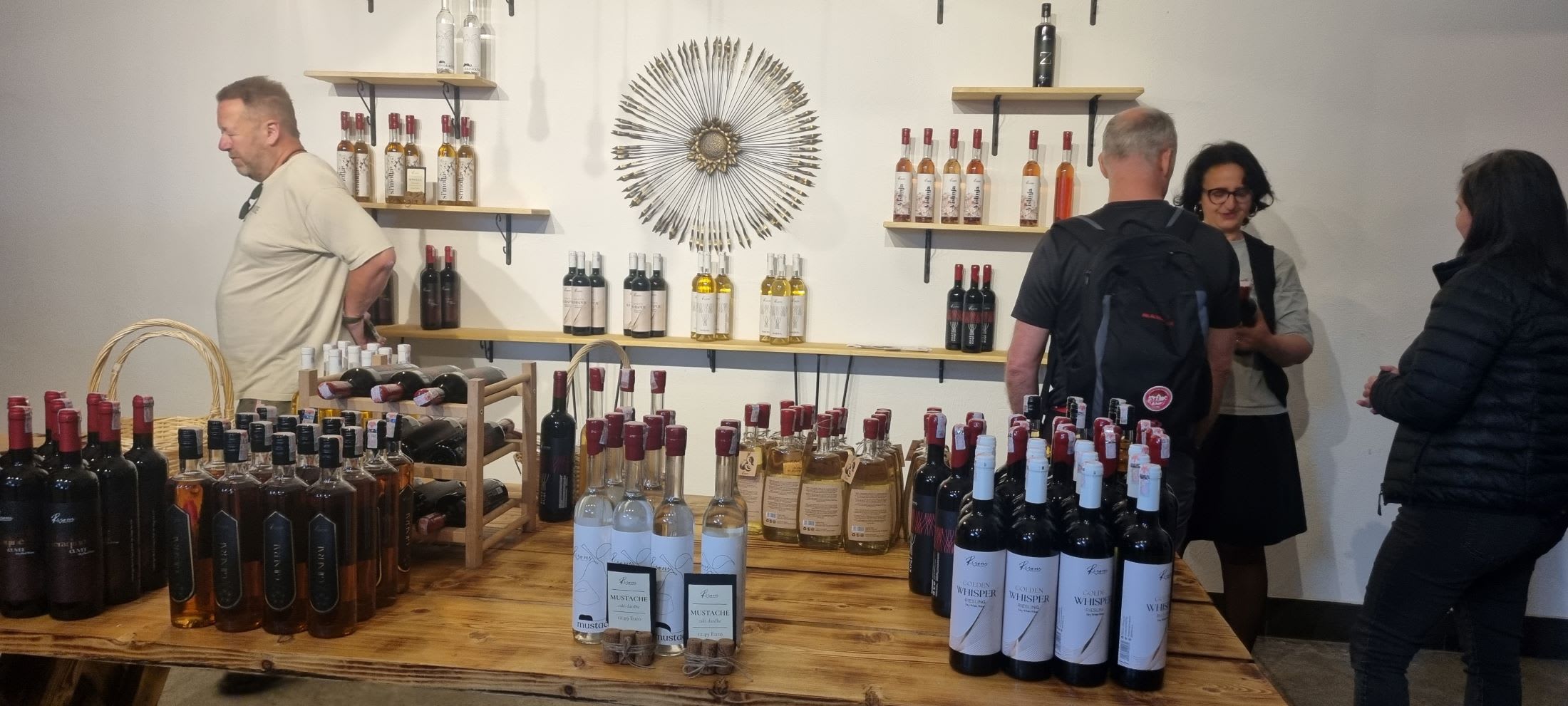
Risons brings together two traditions that make a visit especially interesting: winemaking and distilling. On a guided visit, the value is not simply the tasting itself but the context around it. You learn how grapes are selected, how wine develops through fermentation and ageing, and how spirits require a different relationship with raw ingredients, time and technique.
I always encourage visitors to taste slowly and take notes, even if they do not consider themselves wine experts. Pay attention to aroma first, then texture, acidity, fruit character and finish. Ask which wines are best paired with local dishes. Ask how the seasons affect the harvest. These small questions transform a tasting from a series of samples into a genuine understanding of the place.
The setting matters too. Leaving Pristina behind and seeing the countryside gives you a different picture of Kosovo. Vineyards, open fields, low hills and rural settlements reveal a quieter side of the country that is easy to miss when travelling only between cities.
What to expect on the daily winery experience
Exact departure times, inclusions and availability can vary, so I recommend confirming the details when booking. As a general planning guide, allow most of the day for the excursion, including transfers, the guided visit and tasting time. A professionally arranged tour is useful because you do not need to navigate unfamiliar roads or designate a driver after tasting.
A typical experience may include:
- Pickup or meeting arrangements in Pristina, depending on the confirmed itinerary.
- A comfortable transfer through Kosovo’s countryside.
- An introduction to the winery and distillery operation.
- Guided wine tasting and an explanation of local production.
- Time to ask questions, take photographs and enjoy the surroundings.
- Return transportation to Pristina.
When I plan a winery day, I avoid scheduling another demanding activity immediately afterwards. The best rhythm is unhurried: have breakfast before departure, drink water during the tasting, eat a proper lunch and leave space for an evening walk in Pristina.
How much does a Kosovo wine tour cost?
Tour prices can change according to group size, season, transport arrangements and what is included. For 2026 planning, treat the advertised booking price as the reliable figure rather than assuming a fixed market rate. In addition to the tour, budget for optional bottle purchases, extra food and gratuities if you feel the guide or winery provided excellent service.
Compared with private European wine excursions, Kosovo generally offers strong value. The main benefit is not only the cost; it is the convenience of combining transportation, interpretation and access in one booking. A private transfer, tasting reservation and designated driver arranged separately can quickly become more expensive and time-consuming.
The best seasons for wine travel in Kosovo
Each season offers a different reason to visit. Late spring is fresh and green, with comfortable temperatures for countryside travel and walking around the winery. Summer brings long, bright days and a lively atmosphere, although midday can be hot. Early autumn is often the most atmospheric period for wine lovers because vineyards approach harvest and the landscape begins to turn golden.
Winter can be rewarding for travellers who prefer quieter roads and indoor tastings, but daylight hours are shorter and weather may affect rural travel. If you are combining wine with mountain activities, check conditions carefully. The Kosovo Ski Adventure Brod Experience and Ski Escape to Brezovica are better suited to a winter itinerary than a packed summer schedule.
My preferred period for a first visit is May to June or September to October. You usually get pleasant sightseeing temperatures, attractive scenery and fewer extremes than at the height of summer. Always confirm the winery’s operating schedule, especially around public holidays and harvest periods.
Pristina: the ideal starting point
Before or after your wine day, give Pristina at least one full day. Begin around Mother Teresa Square and walk through the central streets, where contemporary cafés sit close to government buildings, galleries and reminders of the city’s recent history. The Newborn monument is an essential stop, while the National Library remains one of the capital’s most distinctive architectural landmarks.
Pristina is best experienced through its everyday rhythm. Have a long coffee, browse small shops, sample traditional dishes and observe how students, families and business travellers share the same public spaces. For a guided orientation, consider the Walking Tour of Pristina. It pairs well with the winery outing because the two experiences show both the urban and rural character of Kosovo.
Food is central to the journey. Look for grilled meats, fresh salads, flaky pastries, yoghurt-based sides, seasonal vegetables and strong coffee. Wine tasting also becomes more meaningful when you connect it to the local table. Ask your guide which regional dishes pair naturally with the wines you sample.
Extend the trip through Kosovo
One advantage of using Pristina as a base is the number of cultural and outdoor options nearby. Travellers interested in heritage can book the Kosovo UNESCO sites day tour from Pristina. This is an excellent complement to wine tourism because it adds monasteries, historic landscapes and layered religious heritage to your itinerary.
Prizren is another essential stop, known for its stone bridge, old bazaar, mosques, churches, cafés and hillside fortress views. If you are travelling from North Macedonia, the Skopje to Prizren day tour offers a practical way to connect two culturally rich cities without organising every transport detail independently.
For hikers, Kosovo’s mountains provide a dramatic counterpoint to the vineyard landscape. The Liqenati Trail Day Tour is a good option for adding alpine scenery and fresh air to a food-and-wine itinerary. Pack sturdy shoes, layers and water; rural trails can be uneven even in pleasant weather.
From Kosovo to Albania: culture, mountains and the coast
Albania is a natural continuation of a Kosovo trip. The border crossing is an important practical consideration, so check entry requirements, insurance, vehicle documents and current travel conditions before departure. When the route works for your dates, the contrast is rewarding: Albania adds dramatic mountain passes, Ottoman towns, Riviera beaches and a distinctly Mediterranean influence.
For a compact introduction, the Kosovo & Albania Cultural Journey in five days provides a useful framework. It is particularly suitable for first-time visitors who want a balanced itinerary rather than spending the entire holiday moving between distant attractions.
Berat deserves time for its white hillside houses, castle quarter and relaxed riverside atmosphere. Gjirokastra offers a different architectural character, with steep stone lanes and slate-roofed homes. Travellers who like independent exploration can use the Self-Guided Tour of Gjirokastra or the Self-Guided Tour of Berat to create a flexible day.
Do not underestimate travel times in Albania. Mountain roads are scenic but slower than the map suggests. Plan fewer stops, start early and allow time for viewpoints, coffee and unexpected roadside discoveries. In summer, reserve coastal accommodation ahead of time; in shoulder seasons, you may find more peaceful beaches and better availability.
North Macedonia: lakes, wine and lively cities
North Macedonia fits naturally into a Balkans itinerary from Kosovo, especially for travellers who enjoy lakes, historic towns and a welcoming food culture. Skopje is a fascinating city of contrasts, with Ottoman-era streets, modern public spaces and a busy café scene. Lake Ohrid adds a slower rhythm, clear water and centuries of religious and cultural heritage.
Wine lovers should not overlook North Macedonia’s own wine traditions. If your interest has grown after visiting Risons, use the opportunity to compare regional styles rather than searching for one “best” wine. Different altitude, climate and grape varieties create different expressions across the Balkans.
The practical Pristina to Skopje day trip works well for travellers who want to experience both capitals without changing hotels. For a longer route, consider a broader Balkan Explorer itinerary that connects several countries and reduces the planning burden.
Montenegro: finish beside the Adriatic
Montenegro can provide a spectacular final chapter. The Bay of Kotor combines steep limestone mountains, calm blue water, historic settlements and winding coastal roads. It is one of the region’s most visually impressive areas, but its popularity means that summer traffic and accommodation demand can be significant.
Allow time to walk through Kotor’s old town, take a boat on the bay and sample seafood. The Kotor Bay and oyster farm private boat tour offers a memorable food-focused experience that echoes the local, producer-led spirit of a winery visit.
If you are planning a special celebration, the Mövenpick Hotel & Residences Teuta Kotor Bay is one accommodation option to research. For a simpler, multi-country journey, the Albania and Montenegro holiday itinerary can help connect mountain, heritage and seaside experiences.
Practical tips for planning your Balkans wine holiday
1. Build around experiences, not only cities
Choose two or three anchor experiences, such as the Risons winery tour, a historic town visit and a mountain or lake day. Then leave room between them. A schedule that looks efficient on paper can become exhausting once border crossings, road conditions and long lunches are included.
2. Check border requirements
Entry rules can vary by nationality and change over time. Confirm passport validity, visa requirements, permitted length of stay and vehicle insurance before crossing from Kosovo into Albania, North Macedonia or Montenegro. If you use a transfer service, ask whether all border arrangements are covered.
3. Carry local currency and a payment backup
Cards are widely used in cities and established hotels, but smaller cafés, rural producers and market stalls may prefer cash. Keep a modest amount of local currency, a second payment card and offline copies of important booking details.
4. Dress respectfully at religious sites
Historic mosques, monasteries and churches are among the region’s most meaningful places. Cover shoulders and knees where appropriate, follow photography rules and speak quietly. A lightweight scarf is useful for spontaneous visits.
5. Taste responsibly
Never drive after a tasting. This is one reason a guided daily tour is so valuable. Eat before drinking, alternate with water and remember that a small tasting can still involve several pours. Buy bottles only if you can transport them safely and legally across borders.
6. Travel with a flexible mindset
The Balkans are constantly improving as a tourism region, but not every process is as automated as it is elsewhere. A booking confirmation may require a phone call, a road may take longer than expected, and a restaurant may offer a smaller menu than an online listing suggests. Patience usually leads to richer interactions.
Where to stay in Pristina
For a wine-focused short break, choose accommodation with easy access to central Pristina and reliable arrangements for pickup or meeting points. Travellers who value a comfortable base can research Hotel Prive, while those continuing into Albania or elsewhere may prefer to keep the first nights central and minimise unnecessary transfers.
Ask your accommodation about early breakfast, luggage storage and arranging a taxi if your tour departs outside normal city-centre hours. These small details make a one-day excursion much smoother.
Is a Kosovo wine tour suitable for first-time visitors?
Yes. The Risons experience is approachable whether you are an experienced wine traveller or simply curious about local flavours. You do not need prior knowledge, special clothing or an extensive understanding of grape varieties. Comfortable shoes, a light layer, sun protection and an appetite for learning are enough.
It also works for couples, small groups, solo travellers and visitors adding one day to a wider Balkan itinerary. Couples often appreciate the relaxed setting, while groups benefit from shared transportation and a structured experience. Solo travellers gain the security and social ease of travelling with a guide.
Frequently asked questions
How long is the wine tasting tour from Pristina?
The excursion is designed as a daily tour, so you should reserve most of the day for transport, the guided winery and distillery visit, tasting and return to Pristina. Confirm the exact departure and return times when booking, as schedules can vary.
What is the best time of year to visit Risons Distillery & Winery?
May, June, September and October are especially comfortable for combining vineyard scenery with sightseeing. Summer is also popular, while winter can offer a quieter indoor tasting. Always confirm seasonal opening times and weather-related arrangements.
Do I need to be a wine expert?
No. The experience is suitable for beginners as well as knowledgeable wine enthusiasts. A guide can explain the tasting process, local production and food pairings at a level that matches your interests.
Can I combine the winery visit with other Balkan countries?
Absolutely. Start in Pristina, add Prizren or a Kosovo heritage tour, then continue to Albania, North Macedonia or Montenegro. Allow realistic travel time for roads and border crossings instead of trying to visit every highlight in a few days.
What should I bring on the tour?
Bring identification, comfortable shoes, weather-appropriate layers, sunglasses, water and a phone or camera. If you plan to purchase wine or spirits, pack space and protective wrapping, and check the customs rules that apply to your onward journey.
Make your next trip a Balkan story
The strongest reason to visit the Balkans is not one monument, beach or viewpoint. It is the way experiences connect. A glass of local wine introduces you to the landscape. A meal explains the hospitality. A mountain road reveals the scale of the country. A historic quarter shows how many cultures have shaped the region. Each day adds context to the next.
Start simply with the Wine Tasting Daily Tour from Pristina to Risons Distillery & Winery, then build outward according to your interests. Whether you want Kosovo culture, Albanian mountains, North Macedonian lakes or Montenegro’s Adriatic coast, Balkan Destination can help you turn a promising idea into a practical 2026 itinerary. Book your wine tasting experience and make the Balkans your next great journey.
Frequently Asked Questions
How long is the wine tasting tour from Pristina?▼
The experience is designed as a daily tour, so travellers should reserve most of the day for transportation, the guided visit, tasting and return to Pristina. Confirm the exact schedule when booking.
What is the best season to visit Risons Distillery & Winery?▼
May, June, September and October generally offer comfortable temperatures and attractive countryside scenery. Summer is popular, while winter may provide a quieter indoor tasting; seasonal availability should be confirmed in advance.
Do I need wine-tasting experience?▼
No. The tour is suitable for beginners and experienced wine travellers. The guide can explain local production, tasting techniques and food pairings in an accessible way.
Can I combine the Kosovo wine tour with other Balkan countries?▼
Yes. Pristina is a practical starting point for itineraries extending to Albania, North Macedonia and Montenegro. Plan generously for road travel and border crossings.
What should I bring on the winery tour?▼
Bring identification, comfortable shoes, weather-appropriate clothing, water, sun protection and a camera. If purchasing bottles, allow room for safe transport and check relevant customs rules.