
Classical Tour of Albania: Why Visit in 2027?
Albania should be high on your travel list for 2027. In one compact country, you can explore Ottoman-era towns, walk through Greek and Roman ruins, taste Mediterranean cuisine and watch the sunset over the Ionian Sea.
Our travelers love Albania because it offers cultural depth, dramatic landscapes and warm hospitality without the crowds and prices found in many better-known Mediterranean destinations. A carefully planned route also makes it easier to manage Albania's winding roads and long-looking distances.
The Classical Tour of Albania is an ideal seven-day introduction. It connects Tirana, Durrës, Berat, Gjirokastër, Butrint and the southern coast with professional planning, local expertise and a balanced pace.
Planning tip: If you are considering travel between May and October 2027, reserve accommodation and guided services early, especially for July and August.
Why Visit Albania in 2027?
Albania is one of Europe's most rewarding emerging destinations. Its identity has been shaped by Illyrian, Greek, Roman, Byzantine, Ottoman and communist-era history, and these influences remain visible in its architecture, food and everyday life.
1. Exceptional history in a compact itinerary
A one-week Albania itinerary can include Roman amphitheaters, ancient Greek colonies, Ottoman houses, medieval castles and living historic towns. Berat and Gjirokastër are UNESCO World Heritage cities, while Butrint preserves Greek, Roman, Byzantine and Venetian remains beside a lagoon.
2. Coast, mountains and countryside
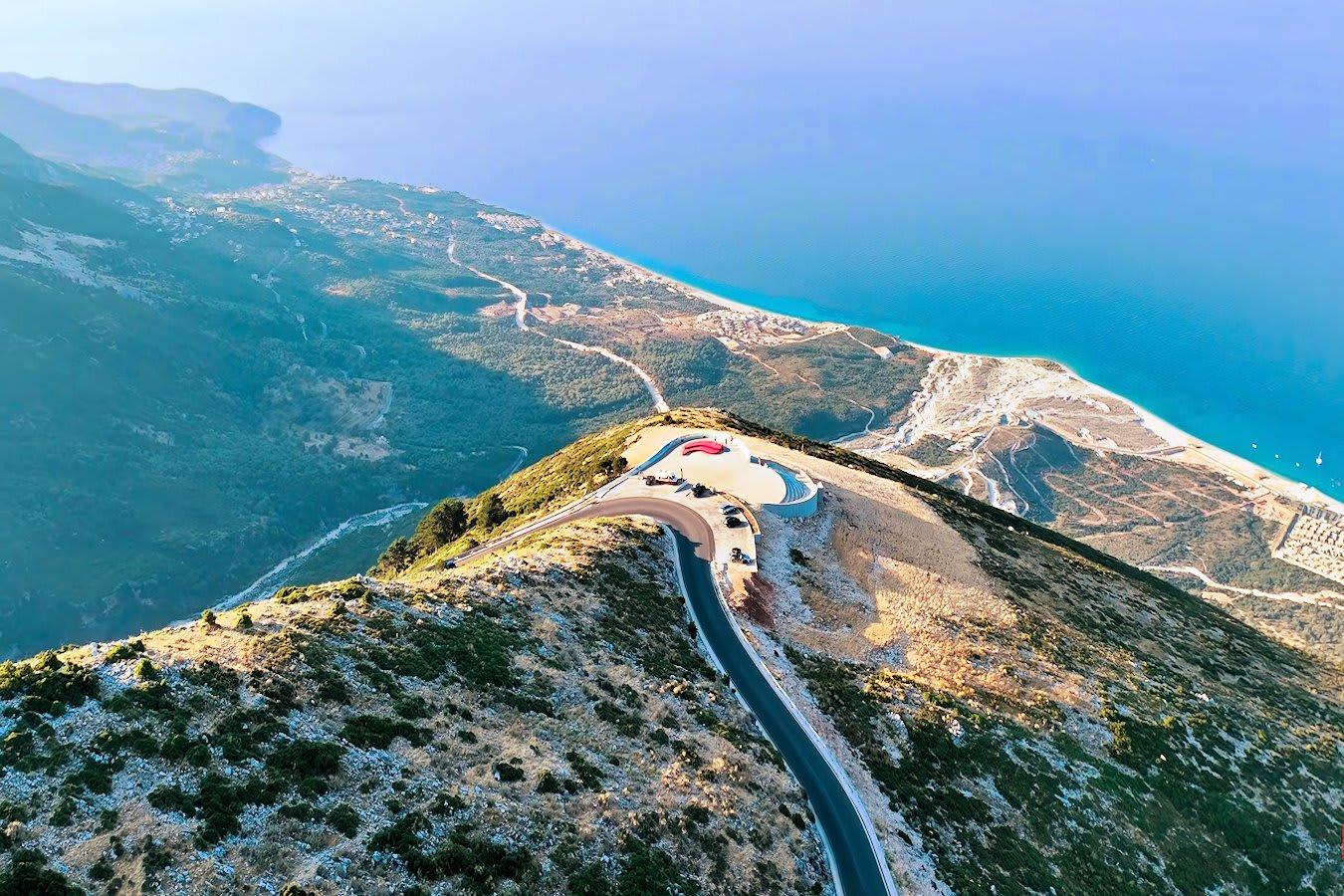
Albania's landscape changes quickly. The Adriatic and Ionian coasts lead to olive groves, river valleys, pine forests and rugged mountain passes. The Riviera between Vlora and Sarandë is particularly scenic, while northern Albania offers spectacular hiking around Theth and Valbonë.
Travelers who want to add serious mountain walking can extend their cultural holiday with the Theth and Valbonë Valley Hiking Adventure or the 11-day Peaks of the Balkans adventure.
3. Distinctive Albanian cuisine
Albanian food combines Mediterranean, Balkan and Ottoman influences. Try byrek, tavë kosi, qofte, stuffed peppers, fresh seafood, seasonal salads, mountain cheese and homemade desserts.
Coastal restaurants emphasize fish, olive oil and herbs, while inland cuisine often features slow-cooked meat, dairy, corn and preserved vegetables. We recommend allowing time for family-run restaurants and traditional dining rather than eating only in large tourist areas.
4. Genuine hospitality
Hospitality is central to Albanian culture. Hosts may offer coffee, fruit or sweets, and a few words such as faleminderit (“thank you”) and mirëdita (“good day”) are always appreciated.
Seven-Day Albania Itinerary: What to See
The exact order may change according to the confirmed departure and road conditions, but this is the logical structure of a classical Albania tour.
- Day 1 – Tirana: Explore Skanderbeg Square, central neighborhoods, museums, cafés and the Blloku area. Allow at least one full day to understand Albania's modern capital.
- Day 2 – Durrës: Visit the ancient port, Roman amphitheater and Adriatic waterfront. Tirana to Durrës is approximately 35 kilometers and usually takes 45–60 minutes by road.
- Day 3 – Berat: Walk through Mangalem and Gorica, visit Berat Castle and enjoy views over the Osum River. Tirana to Berat is approximately 120 kilometers and generally takes 2–2.5 hours.
- Day 4 – Gjirokastër: Discover the fortress, bazaar and steep cobbled streets of this UNESCO-listed stone city. Berat to Gjirokastër is approximately 180 kilometers and commonly takes 3–3.5 hours, depending on stops.
- Day 5 – Butrint and Sarandë: Spend at least two hours in Butrint Archaeological Park, then continue toward Sarandë and the Ionian coast. Gjirokastër to Butrint is approximately 130 kilometers and takes around 2.5–3 hours.
- Day 6 – Albanian Riviera: Enjoy coastal viewpoints, local cuisine and time by the sea. Driving distances can be short but journeys are slower because roads are winding.
- Day 7 – Return transfer: Complete a final cultural visit or return toward Tirana, depending on the confirmed itinerary and departure arrangements.
This route is designed to provide meaningful sightseeing without turning every day into a long transfer. A private vehicle or guided transportation is especially useful because road distances in Albania often take longer than maps suggest.
Ready to plan your 2027 trip? Explore the Classical Tour of Albania and ask our team about departure dates, accommodation and private options.
Best Places to Visit in Albania
Tirana: Albania's energetic capital
Tirana is colorful, youthful and constantly changing. Start at Skanderbeg Square, then explore nearby museums, markets, cafés and Blloku. The city offers an important introduction to Albania's twentieth-century history and contemporary culture.
For a longer stay, consider a three-day Tirana City Break.
Berat: the city of a thousand windows
Berat's white Ottoman houses climb the hills beneath its castle. Walk through Mangalem and Gorica, then visit the castle district, which is still inhabited. Wear shoes with good grip because some cobblestones are steep and polished.
Gjirokastër: a UNESCO stone city
Gjirokastër is known for slate-roofed houses, a hilltop fortress and a historic bazaar. Its streets are steeper than those in Berat, so visitors with mobility concerns should plan additional time and avoid rushing.
Butrint: archaeology beside the sea
Butrint is one of Albania's most important archaeological sites. The park includes Greek, Roman, Byzantine and Venetian remains in a green landscape near a lagoon. Plan for two to three hours, comfortable shoes, water and sun protection.
When Is the Best Time to Visit Albania?
May, June, September and early October are usually the best months for a classical Albania tour. They offer comfortable sightseeing temperatures, attractive landscapes and fewer visitors than the height of summer.
- April–May: Green countryside, flowers and mild weather; the sea may be cool in April.
- June: Long days and warm coastlines before peak summer crowds.
- July–August: Best for swimming, but inland cities can exceed 35°C. Start walking tours early.
- September: Warm sea temperatures, pleasant evenings and reduced peak-season pressure.
- October: Comfortable for cultural travel, although rainfall becomes more likely.
- November–March: Quieter and often less expensive, but colder, wetter and less suitable for beach travel.
How Much Does Albania Cost in 2027?
Albania remains good value, although prices vary by season, destination and comfort level. As a planning estimate, travelers may budget:
- Budget travel: approximately €35–€60 per person per day.
- Mid-range travel: approximately €80–€150 per person per day.
- Indicative meals: breakfast €2–€4, lunch €6–€12 and dinner €15–€30 per person.
- Coffee: commonly €1–€2.50.
- Museums and archaeological sites: often several euros to approximately €10, subject to change.
These are estimates rather than fixed 2027 prices. July and August are usually the most expensive months, particularly along the Riviera. A professionally arranged tour can also provide better value by combining transportation, guides, accommodation and route planning.
Getting Around Albania
Major routes connect Tirana, Durrës, Berat, Gjirokastër and southern Albania, but mountain and coastal roads are winding. A journey of 100 kilometers may take two or three hours once curves, traffic and sightseeing stops are considered.
For a seven-day cultural itinerary, we recommend guided transportation or a private driver. Independent travelers can use buses and minibuses, but schedules may be informal and rural connections can be limited. Avoid night driving in remote mountain areas.
How to Combine Albania with the Western Balkans
Albania combines naturally with Kosovo, North Macedonia and Montenegro. Travelers arriving through Kosovo can add the five-day Kosovo and Albania Cultural Journey.
From Pristina, a day trip to Prizren takes approximately 45–60 minutes each way, depending on traffic and border conditions. The Pristina to Prizren day trip is a practical addition for travelers who want Ottoman architecture, historic mosques and lively cafés.
North Macedonia adds lake scenery and Byzantine heritage. A Pristina to Skopje day trip is suitable for a shorter regional extension, while Montenegro works well for travelers continuing toward Kotor and the Adriatic coast. The Kotor Bay and Oyster Farm private boat tour offers a memorable way to experience Montenegro's maritime culture.
What to Pack for Albania
- Comfortable walking shoes with good grip.
- Reusable water bottle, sunscreen, hat and sunglasses.
- Light jacket and rain protection for spring, autumn and mountains.
- Modest clothing for churches, mosques and religious sites.
- Small amounts of Albanian lek for cafés, markets and rural purchases.
- Power bank and offline maps.
- Swimwear if your itinerary includes the Riviera.
Responsible Travel in Albania
Choose locally owned accommodation and restaurants when possible, buy crafts directly from makers and avoid removing stones or artifacts from archaeological sites. Carry rubbish with you on beaches and trails because waste facilities can be limited outside major towns.
Ask before photographing people or private homes. Historic houses in Berat and Gjirokastër are also family residences, so explore respectfully and keep noise low near religious buildings.
Frequently Asked Questions About Albania in 2027
Is Albania safe for tourists in 2027?
Albania is generally safe for visitors, and most trips are trouble-free. Use normal precautions, protect valuables and take extra care when driving on busy, winding or mountainous roads.
How many days are enough for Albania?
Seven days is enough for a first classical route covering Tirana, Berat, Gjirokastër, Butrint and the southern coast. Ten to fourteen days allow a slower pace, more beach time or northern mountain travel.
Is Albania cheaper than Greece or Croatia?
Albania can be less expensive than many coastal areas of Greece and Croatia, particularly for local food and accommodation outside peak season. Prices increase in July and August and in popular Riviera resorts.
Do I need a guide for Berat, Gjirokastër and Butrint?
You can visit independently, but a local guide adds valuable historical context and helps explain architectural details, archaeological layers and connections to modern Albanian culture.
Can I visit Albania and Kosovo on one trip?
Yes. Kosovo and Albania can be combined effectively, but allow time for border crossings and winding roads. A professionally planned regional itinerary reduces transfer stress.
Plan Your Classical Albania Tour for 2027
Albania offers a rare combination of ancient history, living heritage, dramatic landscapes, excellent food and welcoming people. In one week, you can stand in a Roman amphitheater, walk through UNESCO-listed towns, swim in the Ionian Sea and share a meal shaped by centuries of regional tradition.
For first-time visitors, the Classical Tour of Albania provides a practical and memorable foundation. For a wider Balkan holiday, explore the Balkan Explorer or contact Balkan Destination for a customized itinerary.
Start planning your Albania holiday for 2027 today. Visit Balkan Destination to explore tours, daily experiences and expert travel support across Albania and the Western Balkans.
Frequently Asked Questions
Is Albania safe for tourists in 2026?▼
Albania is generally safe for visitors, and most trips are trouble-free. Use normal precautions in crowded areas, take care with valuables, and follow local advice when driving in remote or mountainous regions.
How many days do I need for Albania?▼
Seven days is an excellent length for a first classical route covering Tirana, Berat, Gjirokastër, Butrint, and coastal scenery. Ten to fourteen days allow a slower pace and additional destinations.
Is Albania expensive compared with Greece or Croatia?▼
Albania can be less expensive than many coastal areas of Greece and Croatia, especially for local food, transport, and accommodation outside peak season. Prices rise during July and August.
Can I combine Albania with Kosovo, North Macedonia, or Montenegro?▼
Yes. Albania is well suited to a wider Western Balkans itinerary, but allow realistic travel time for border crossings and winding roads. Professional planning makes multi-country travel more comfortable.